

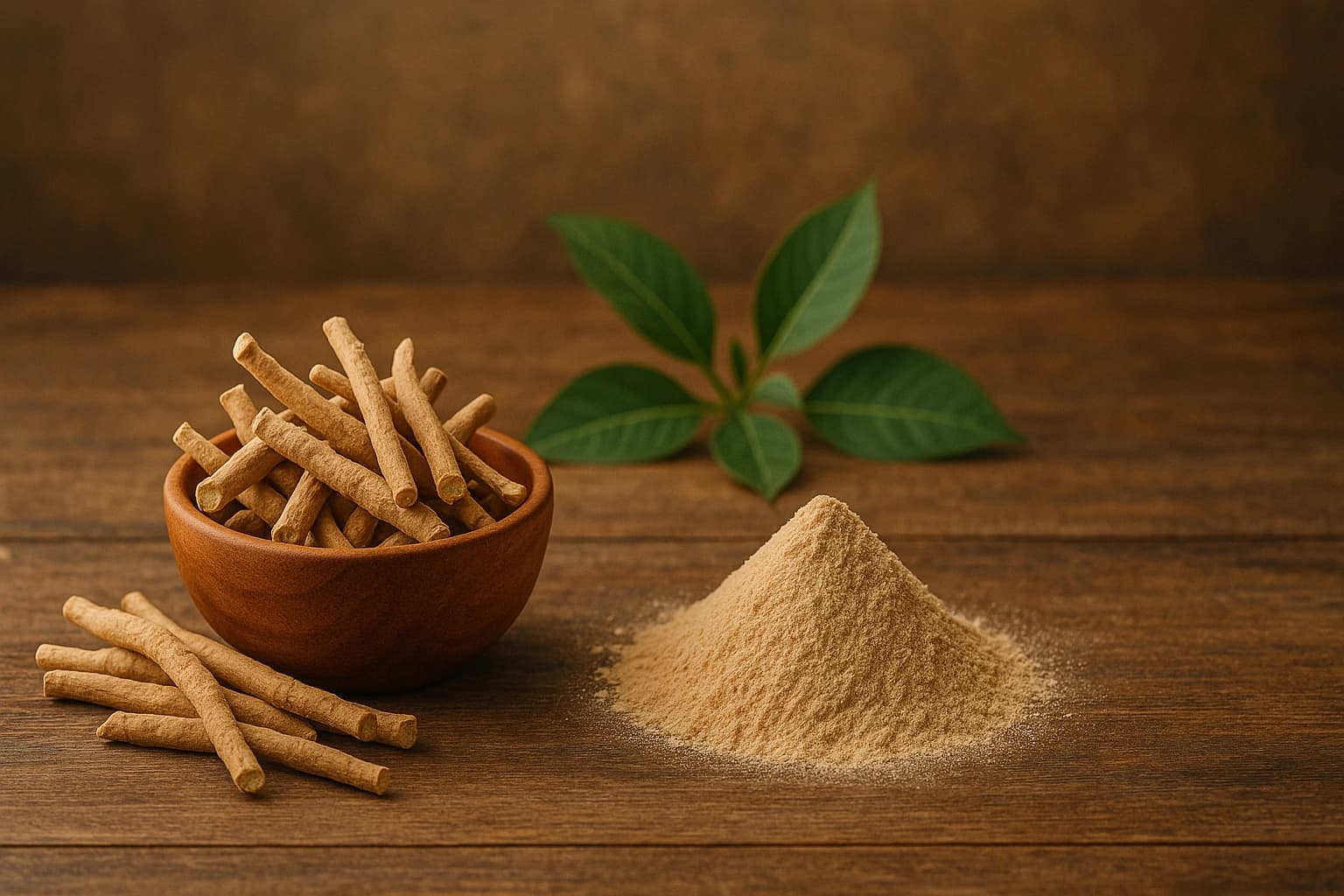
The idea that life used to be simpler often falls apart the moment we remember what medicine once looked like. Colds were treated with leeches, smoke, and good wishes. Real progress is not the fact that we know more today, but that we finally understand why something works. For centuries, nature has provided powerful remedies — we simply lacked the tools to measure, standardize, and explain them.
The story of willow bark and aspirin illustrates this perfectly. People chewed willow bark for pain relief long before modern pharmacology discovered salicylates — the foundation of aspirin. A similar process is happening with ashwagandha, a plant used for over three thousand years, whose traditional effects are now fully supported by scientific explanation.
If you’re interested in other supplements that work along similar lines (stress, sleep, the nervous system), take a look at magnesium and vitamin D — both are often mentioned alongside adaptogens, though they act through different mechanisms.
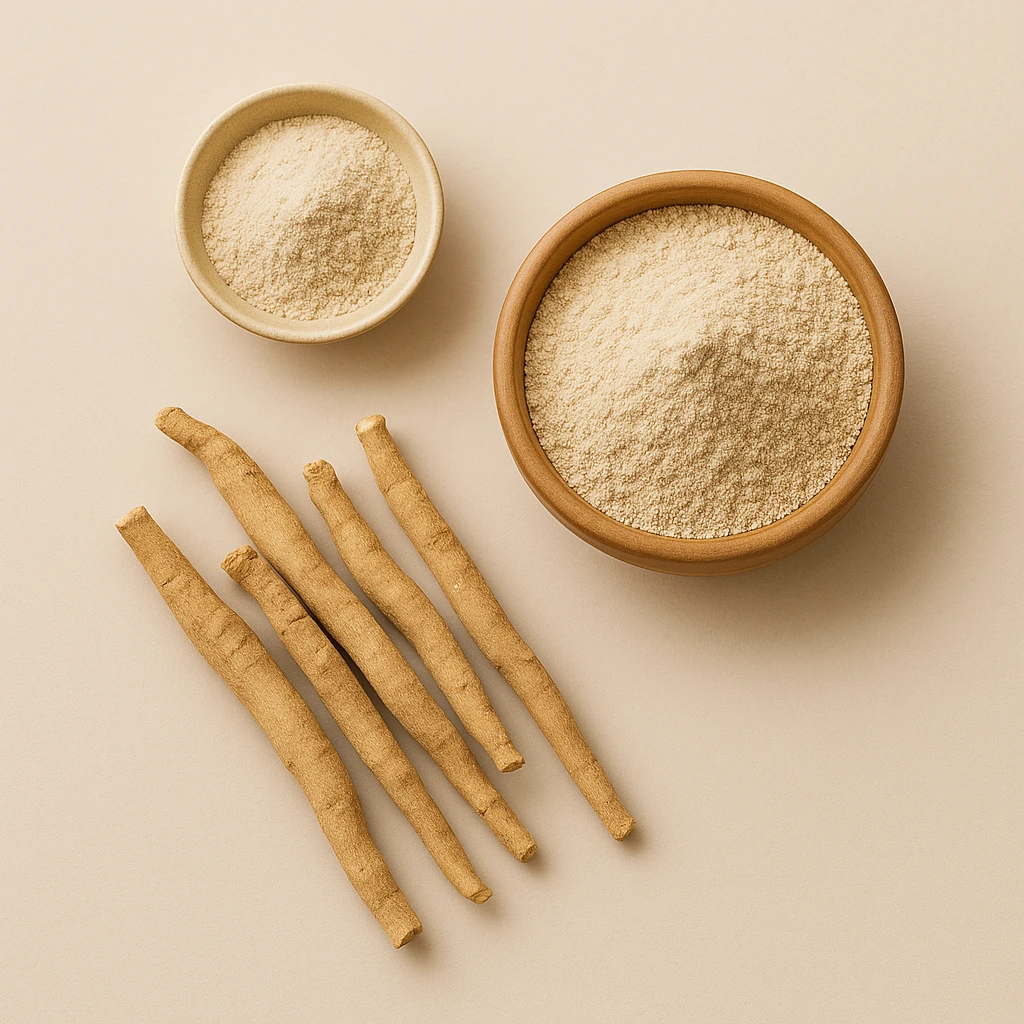
Ashwagandha, or Withania somnifera, is a plant used in Ayurvedic medicine for over 3,000 years and is considered one of the most important natural tonics for strength and stress resilience. Its name, which literally translates to “the smell of a horse,” symbolizes strength, vitality, and endurance — not aroma. In ancient texts, it was classified as a rasayana — a rejuvenating elixir that strengthens the body and supports longevity.
What makes it unique is that it belongs to a group of substances known as adaptogens — compounds that help the body adapt to stress. Unlike stimulants that provide a quick energy surge, adaptogens work quietly, balancing body systems instead of forcing them.
Ashwagandha is especially rich in phytochemicals called withanolides. These compounds explain its broad range of effects: they reduce inflammation, stabilize the nervous system, protect neurons from oxidative damage, and help regulate stress hormones. Although it is a plant, its effects are highly specific, measurable, and — most importantly — reproducible in scientific studies.
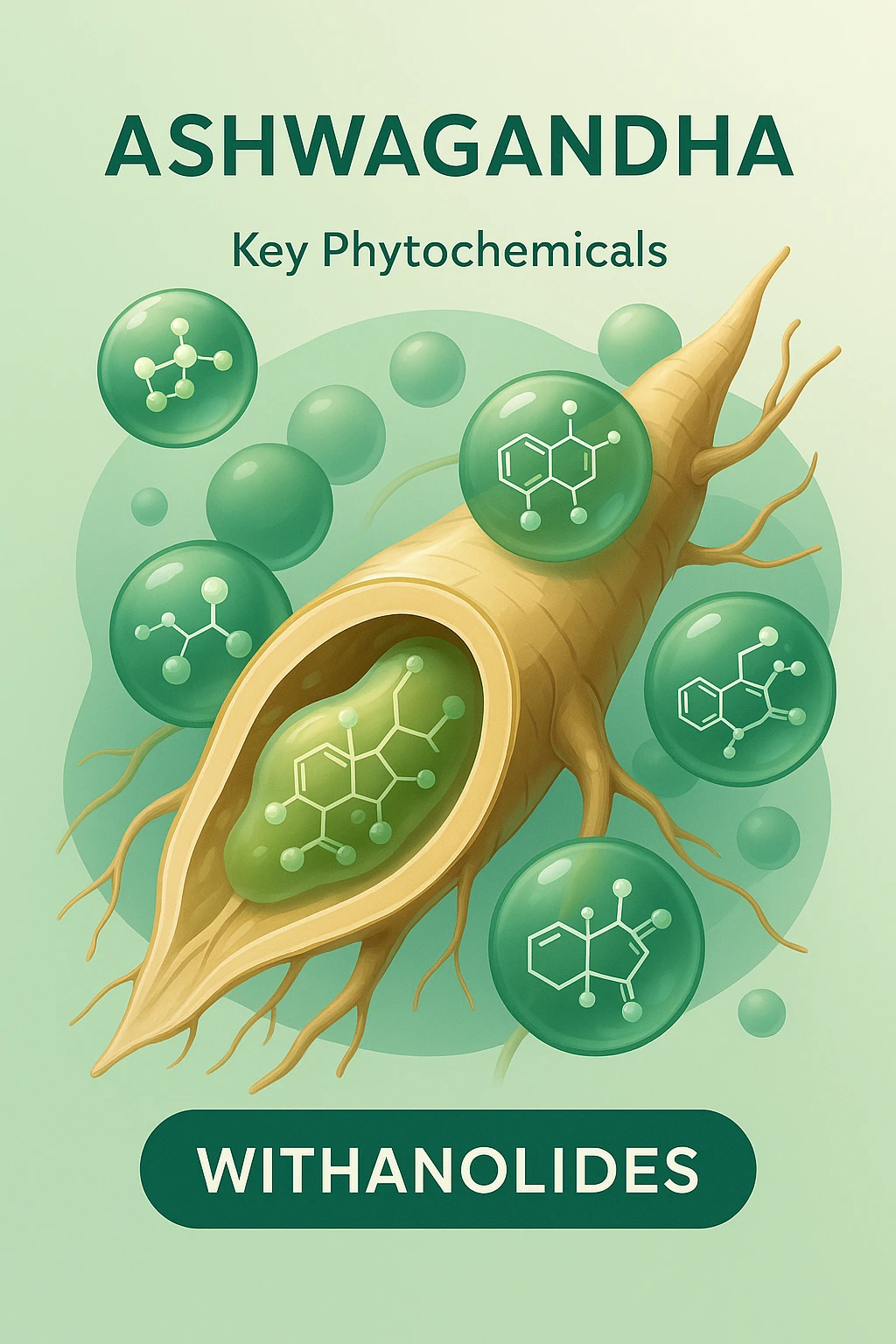
Plants cannot escape danger, so through evolution they developed sophisticated chemical defense systems. Ashwagandha produces a complex network of molecules whose role is not only to protect the plant, but also to produce remarkable effects in the human body. Withanolides act like regulators: when the nervous system is overstimulated, they calm it; when the body is exhausted, they support recovery; when stress hormones are elevated, they gently bring them back into a healthy range.
This adaptability — “working where it’s needed” — is the clearest definition of an adaptogen.
Modern science began seriously investigating ashwagandha about two decades ago, but one study significantly shifted its perception. In 2012, Chandrasekhar and his team conducted a study on nearly one hundred individuals living with chronic stress. These were not mildly stressed participants — stress was a constant in their lives, with disrupted sleep, persistent tension, and emotional exhaustion.
Over sixty days, one group received a standardized ashwagandha extract, while the other received a placebo. The results were striking for a plant-based intervention: cortisol levels in the treatment group dropped by over 25% on average, while subjective stress levels decreased by more than 60%. Most importantly, the strongest effects were seen in those who started in the worst condition. The adaptogen helped most where it was needed most.
Several years later, in 2019, Lopresti conducted a study focused on anxiety. Participants taking ashwagandha reported improved mood stability, reduced mental load, and faster recovery from stressful situations. Notably, the effects strengthened over time — the adaptogen didn’t work instantly, but gradually calmed and stabilized the nervous system.
A third study shed new light on ashwagandha’s role in physical performance. Wankhede’s team studied strength-training beginners and found that those taking ashwagandha progressed almost twice as fast as the placebo group. The explanation is logical: when the nervous system is calmer and recovery improves, the body builds strength and muscle more efficiently.
Taken together, these studies suggest one key conclusion:
ashwagandha does not change personality, nor does it create short-term euphoria. It changes how the body responds to stress. It reduces internal noise, deepens sleep, restores mental clarity, and allows the body to function as it already knows how to — without unnecessary friction.
The brain thrives on stability and struggles with overload. Prolonged stress leads to inflammation, oxidative damage, and disruptions in neurotransmitters that regulate emotion, focus, and sleep. Ashwagandha shows particularly interesting effects here: it promotes the production of GABA, a calming neurotransmitter, while simultaneously increasing BDNF — a protein essential for learning and forming new neural connections. Together, they create a rare effect: the body calms down while the mind remains clear.
In practice, this feels like: a calmer mind without sedation, cleaner focus without tension, clearer thoughts without chaos. This balance is difficult to achieve with stimulants or sedatives — and it is precisely where adaptogens shine.
If you want to support the brain’s “building material” alongside this stress regulator, the natural next step is omega-3.
One of the most interesting aspects of ashwagandha is its effect on the hormonal axis. Cortisol is the best-known stress hormone, and when chronically elevated it disrupts sleep, mood, focus, and metabolism. Ashwagandha helps bring cortisol back into a natural range without suppressing it too much — which is crucial, as cortisol is necessary for energy and wakefulness.
In men under chronic stress, testosterone levels are often suppressed. Several studies show that ashwagandha helps normalize this balance — but only when testosterone is reduced due to stress; it does not push levels “too high” in healthy individuals.
The thyroid is a more sensitive area. Ashwagandha may mildly increase T3 and T4 hormones, which can benefit chronically fatigued individuals, but may be problematic in hyperthyroidism. For this reason, people with thyroid disorders should consult a healthcare professional.
If you’re also exploring circadian rhythm and hormonal health, this topic naturally connects with vitamin D.
People with insomnia often describe a specific pattern: they fall asleep easily, but wake between 2 and 4 a.m. and struggle to fall back asleep. This is when cortisol begins rising too early and the brain shifts into “analytical mode.” Ashwagandha helps calm this cycle by reducing nighttime cortisol fluctuations and restoring natural sleep architecture. As a result, users often report not just falling asleep faster, but experiencing deeper, more continuous sleep.
If you’re also interested in the mineral most commonly associated with muscle tension, cramps, and sleep, see magnesium.

When I first started taking ashwagandha, I didn’t have high expectations — but I did expect something. A shift, a sense of calm, at least a subtle signal that it was working. Nothing like that happened. Days passed, I took my dose consistently, and I couldn’t confidently say I felt any change.
Until I stopped.
After two days without it, the first thing I noticed was louder internal noise — a feeling as if my mind had switched back to a frequency I had forgotten: faster, more restless, more scattered. Focus was weaker, emotional resilience thinner. That’s when I realized:
ashwagandha doesn’t change who you are — it quietly removes what interferes with being yourself.
That is its greatest trick. It doesn’t create a dramatic effect — it restores a baseline you only notice once it’s gone.
The most researched and well-known form is KSM-66, a root-only extract that preserves the natural withanolide profile. It’s the gold standard for stress, energy, and mental clarity.
Sensoril, on the other hand, combines root and leaf and contains a higher percentage of active compounds. It tends to work faster and more strongly, especially for anxiety and insomnia.
Traditional root powder is milder but valued by many for the ritual of preparing a warm drink.
Tinctures absorb quickly, while gummies are more of a lifestyle option — tasty, but often too weak for serious therapeutic effects.
Dosage varies, but typically ranges from 300–600 mg per day for KSM-66 extracts. Sensoril usually requires slightly higher doses, while traditional powder may require up to three grams daily. One of its biggest advantages is flexibility — it can be taken in the morning for focus or in the evening for relaxation. Starting low and observing your response is key.
People dealing with constant tension often respond best by starting with a lower evening dose. After a few days, once the body adapts, the dose can be split between morning and evening. Within two to four weeks, many report improved stress tolerance, reduced irritability, and better sleep.
For intensive mental work, morning dosing is usually recommended, sometimes before demanding tasks. In this case, ashwagandha acts not as a stimulant, but as a stabilizer — allowing longer periods of focus without pressure.
Training under stress slows progress. Athletes often take ashwagandha before training to support nervous system engagement and in the evening to enhance recovery. The effect is reflected in better regeneration and steadier progress.
Although generally safe, ashwagandha is not for everyone. People with hyperthyroidism, autoimmune conditions, or those taking thyroid medication should exercise caution. Pregnant and breastfeeding women should avoid it. Side effects are rare and usually mild, such as drowsiness or digestive discomfort.
Yes, but it’s advisable to take breaks every few months.
Anywhere from a few days to several weeks, depending on stress levels.
Yes, but spacing them out may help avoid excessive stimulation.
No. It calms without sedating.
Ashwagandha is a perfect example of how traditional wisdom and modern science can meet halfway. It doesn’t promise dramatic changes, but it reshapes how the body responds to everyday challenges. In a world where stress is the norm and balance a luxury, this plant can be one of the simplest and most natural ways to return to yourself — calmer, steadier, and more resilient.
To further expand this “stress stack,” a logical continuation includes articles on magnesium (tension / nervous system) and omega-3 (brain / inflammation).
Examine.com – Ashwagandha
Chandrasekhar et al., 2012 – Stress and Cortisol
Lopresti et al., 2019 – Anxiety and Mood
Wankhede et al., 2015 – Strength and Performance
Withanolide Pharmacology – Mechanistic Overview
Vitamin D and Omega-3: Similarities, Differences, and When to Combine Them
Omega-3 Fatty Acids: Benefits for Brain, Heart, and Inflammation
This article is for informational and educational purposes only. It is not medical advice and does not replace professional diagnosis or treatment. If you have a medical condition or take medication, consult a healthcare professional before using dietary supplements.
All Rights Reserved © 2025